
Examples
These are unedited encounters from the platform. Open a case to review the assessment report, recording, and full transcript without signing in or booking a demo.
Example encounters
Showing 10 of 10 examples

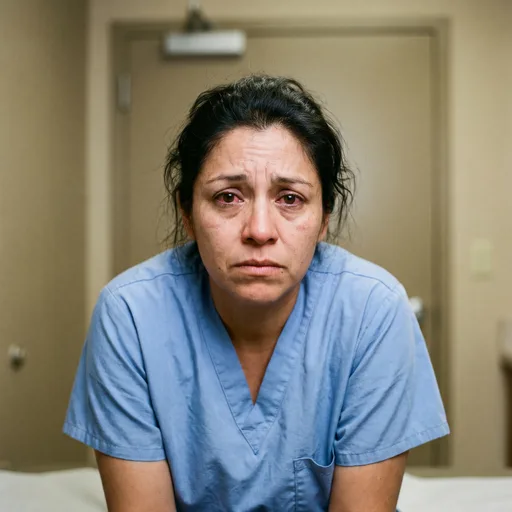
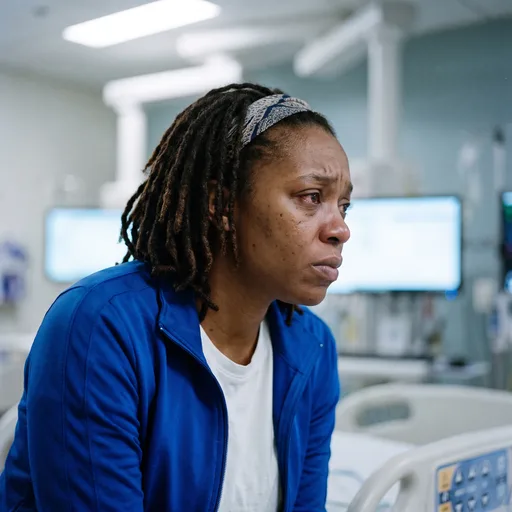
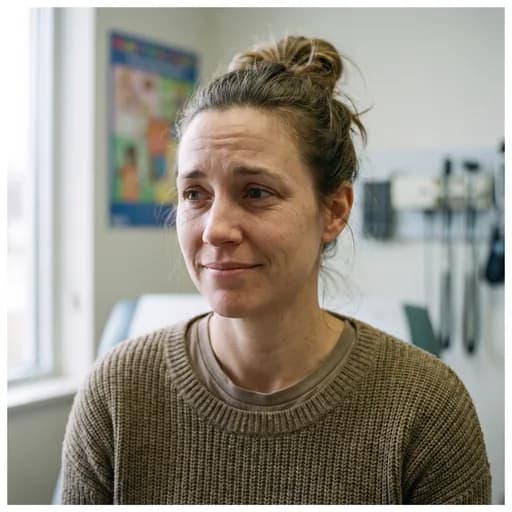
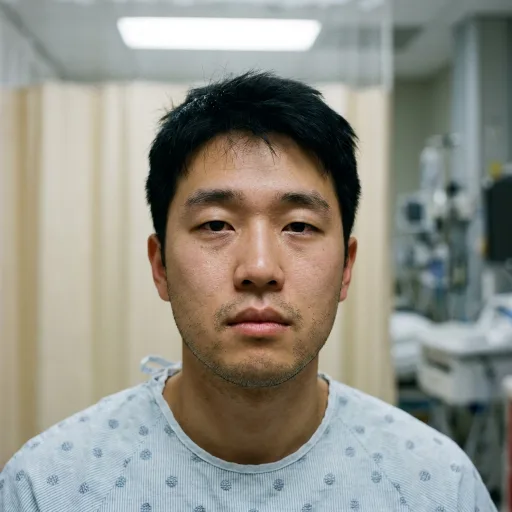
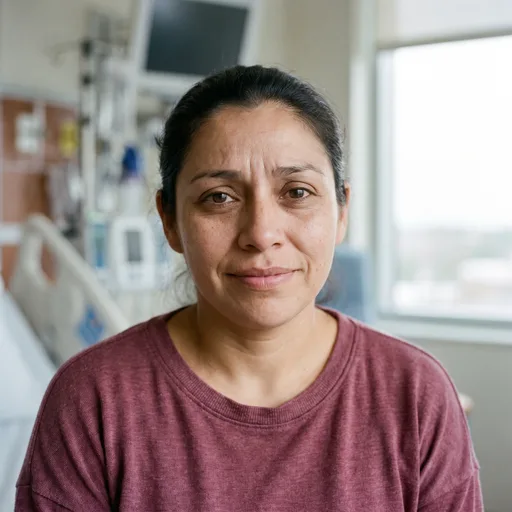
Watch the conversation and feedback
A learner talks a hesitant parent through a two-month vaccine visit, then reviews the scored feedback.
Vaccine hesitancy counseling and feedback
From clinicians who have used ClinicalSim
I just tried it out and it was like talking to a real patient.
Faculty, Johns Hopkins University School of Medicine
It was helpful to have time to think and reflect without feeling the pressure of a person across from you expecting a response.
Clinician, Pilot Study Participant
I had to tell a patient's father that his daughter would need long-term oxygen support through a tracheostomy. Before speaking with him, I practiced the conversation on ClinicalSim. It gave me confidence and feedback on my tone and delivery. Having difficult conversations can be extremely stressful, but having the practice beforehand allowed me to give appropriate time for silence and empathy.
Nurse practitioner, major health system
A resident's reflection, weeks after a practice simulation
Rather than feeling compelled to immediately define "goals of care" or guide the conversation toward a particular medical decision, I was able to slow down and truly listen.
Read the full reflectionHide the full reflection
As I stood beside the interpreter, waiting for them to translate our response to the many fears this mother had just shared, I was struck by how familiar the conversation felt. Just a few weeks earlier, I had participated in a remarkably similar conversation, but that one did not involve a real mother or a real child suffering from a life-threatening illness. Rather, it was an AI-generated clinical simulation. The simulation, along with the feedback that followed, had prepared me to approach this encounter differently. I found myself more attuned not only to listening to this mother's fears, worries, and hopes, but also to validating and holding space for them. Rather than feeling compelled to immediately define "goals of care" or guide the conversation toward a particular medical decision, I was able to slow down and truly listen. I focused on understanding what a meaningful life looked like for her daughter and what mattered most to her as a mother, even when those priorities might not have aligned with what I would have initially considered the first-line "medical" recommendation.
In reflecting, I realized the value of ClinicalSim extended far beyond practicing communication skills in a simulated environment. It had changed the way I approached a real, difficult conversation with a family and overall strengthened my ability to better listen to, support, and advocate for families navigating profoundly difficult circumstances.
This is what a learner receives
Every completed practice session produces a report tied to the frameworks named on the case and the evidence in the transcript.